ITDP India

Promoting sustainable and equitable transportation worldwide

  • Contact
  • ITDP India’s 2025
  • Who We Are
    • Our Approach
    • Contact Us
    • Career Opportunities
  • What We Do
    • Healthy Streets
    • Public Transport
    • Electric Mobility
    • Transit Oriented Development
    • Low Emission Zones
    • Inclusive Mobility
    • Traffic Reduction
  • Where We Work
    • NATIONAL
    • MAHARASHTRA
      • Pune
      • Pimpri Chinchwad
      • Nashik
    • TAMIL NADU
      • Chennai
      • Coimbatore
    • JHARKHAND
      • Ranchi
    • Agra
    • Ahmedabad
  • Blogs
  • Resources
    • Press
  • National Challenges
    • India Cycles4Change Challenge
    • Streets for People Challenge
    • Transport4All Challenge
  • Urbanlogue
    • Urbanlogue Webinars – Series One
    • Urbanlogue Webinars – Series Two
    • Urbanlogue Webinars – Series Three
    • Urbanlogue Webinars – Series Four

People-friendly streets taking shape : Coimbatore’s Model Roads

25th November 2016 by admin

“When it’s not a car-free day, where is the space to walk?”, asked a resident of R.S.Puram in 2015, at a stakeholders’ discussion about the Car-Free Sunday event in Coimbatore, prior to its launch. The Happy Streets Car-Free Day initiative has since enhanced awareness among the citizens about the infrastructure needed for cycling and walking – in other words, non-motorised transport (NMT). This level of support and buy-in for NMT from the public encouraged the Corporation to initiate the Model Roads pilot project in Coimbatore in 2015.

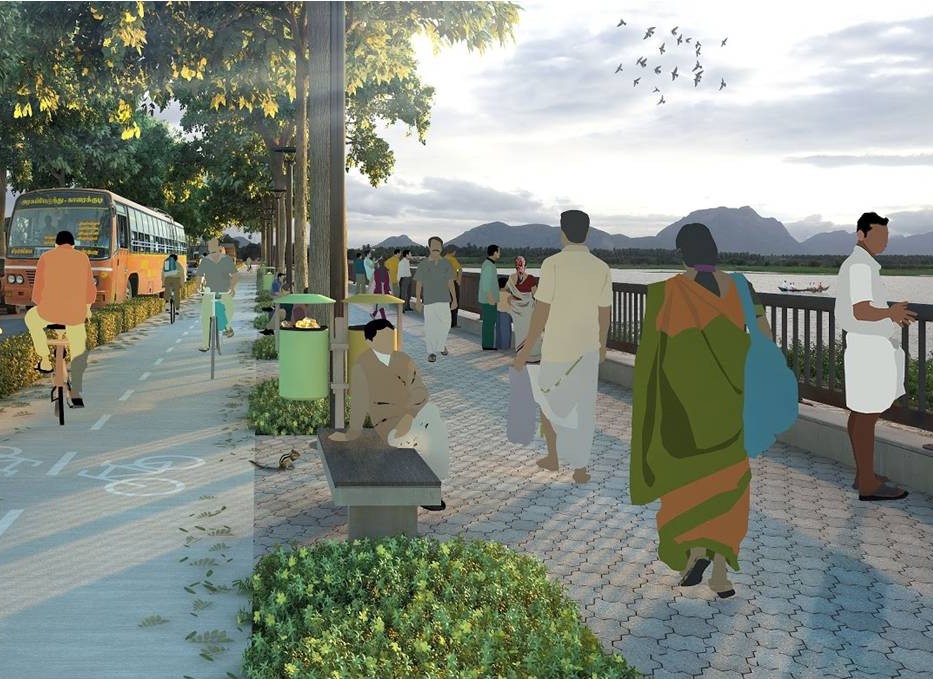
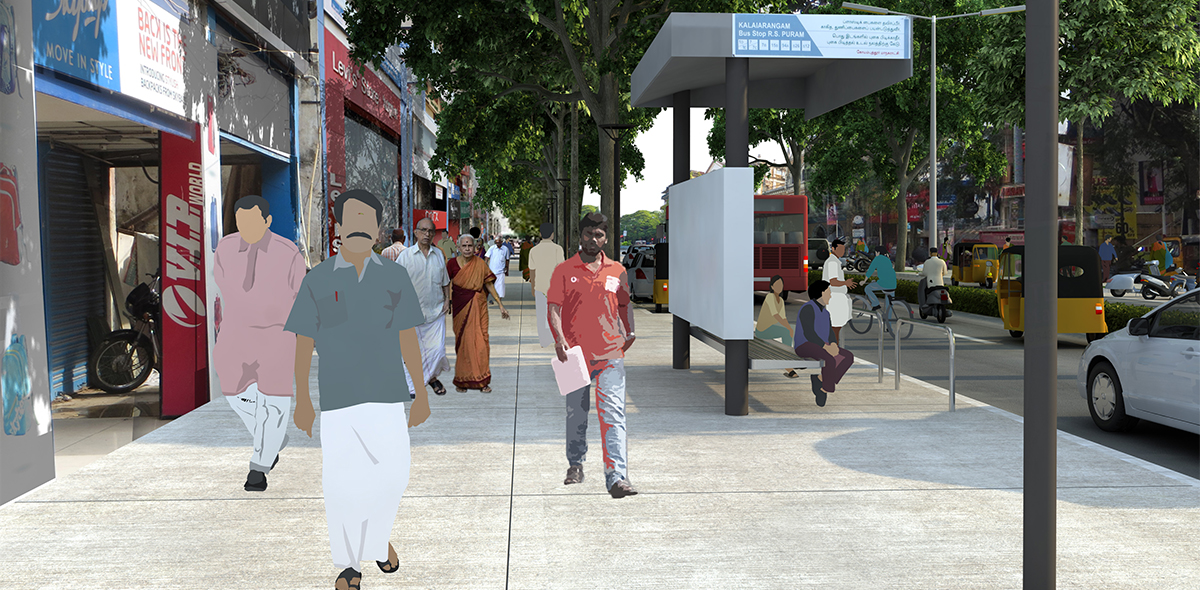
For this first phase, 6 roads have been selected by the Coimbatore City Municipal Corporation: DB Road, TV Swamy Road, Sanganoor Road, NSR Road, Masakalipalayam Road and Race Course Road. A total of 13.1 kms is to be revamped with broad pedestrian-friendly pathways, allocated zones for parking and vendors, safer crossings and better provisions for utilities.

Conference on Sustainable Cities Through Transport

Conference on Sustainable Cities Through Transport

In the wake of rapid motorisation a few years ago, the cities of Tamil Nadu realised a need to address mobility challenges. In 2013, the Commissionerate of Municipal Administration (CMA) thus hosted Sustainable Cities through Transport, a planning workshop organised in partnership with the Institute for Transportation and Development Policy (ITDP) and with support from ICLEI–SA South Asia. The objective was to develop sustainable transport plans and create municipal transport budgets for five cities in Tamil Nadu including Coimbatore.

The Coimbatore Corporation engineers attending the workshop concluded that the city should aim to increase its share of public transport, cycling and walking to 60% by 2018. As a step towards achieving this, a network of Complete Streets, including the Model Roads, was proposed. The proposal comprised a target of 49 kms of footpath upgrade,19 kms of street pedestrianisation, 37 kms of greenways and 31 kms of cycle tracks. Furthermore, to ensure the prevention of vehicle encroachment for the success of these NMT projects, 5 zones were identified for better parking management.

The Coimbatore Corporation engineers concluded that the city should aim to increase its share of public transport, cycling and walking to 60% by 2018.

The Coimbatore Corporation engineers concluded that the city should aim to increase its share of public transport, cycling and walking to 60% by 2018.

For implementation in the first phase, the Corporation identified 6 streets in its jurisdiction, based on right of way — 12 m or more — and pedestrian demand. CCMC empanelled architects for the first time, with the assistance of ITDP, early in 2016. The 5 firms – Padgro, Design Consortium, VeraCITY, Arth Agam and Yanapada – were assigned the work of redesigning the streets.The architects carried out various surveys and developed conceptual designs, which was later tested on-site through line drawings to check for feasibility.

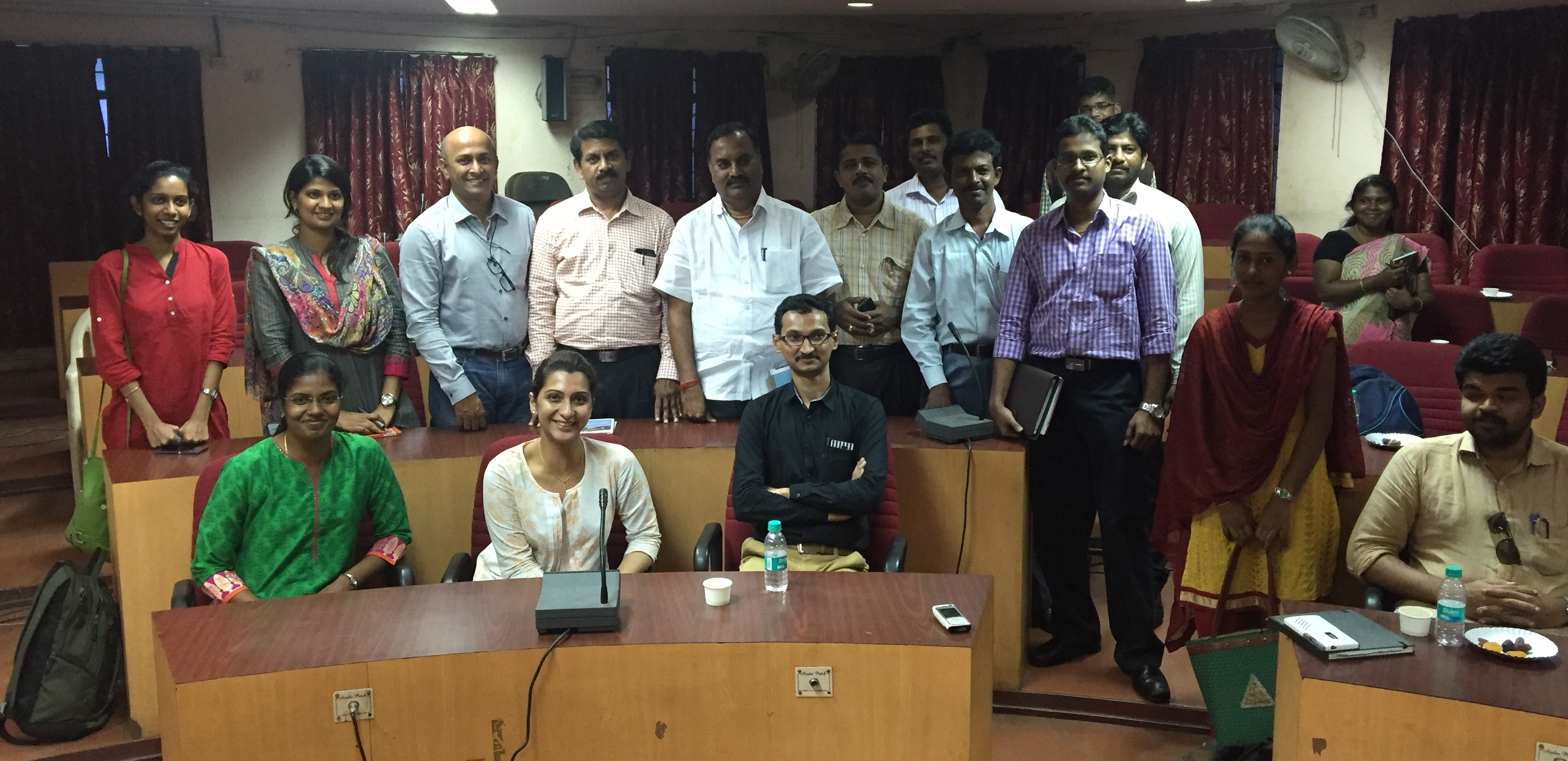
In order to get work started on the ground, CCMC conducted the first coordination meeting early in August, 2016. This meeting brought together the Corporation engineers, architects, ITDP and partner association RAAC (Residents Awareness Association of Coimbatore). The engineers along with ITDP reviewed the designs presented by the architects. Since then, coordination meetings are being held once every month to ensure the smooth progress of the project.

Break-out group discussing at a coordination meeting.

Break-out group discussing at a coordination meeting.

An important milestone in the execution of the Model Roads Pilot project was the resolution passed by the CCMC at the Council Meeting held later that month. The Corporation sanctioned Rs.5.47 crores to take up D.B and T.V Swamy roads in the first phase of construction. The tenders to start work on these roads are have been floated in November. Implementation of the Model Roads project will soon be rolled out.

Moving forward, the Corporation is looking to host a 3-day exhibition in early December, showcasing visualisations of the proposed designs of the Model Roads. The exhibition aims to inform public regarding the many transport-related initiatives that CCMC is taking for the development of the city. Feedback collected from the citizens during the event will be used to shape the final design of these people-oriented projects. With all these plans in place putting pedestrians and cyclists at the top of the hierarchy, Coimbatore is showing the way for other Indian cities!
Filed Under: Uncategorised Tagged With: Coimbatore, Smart city, Walking and Cycling

Citizens want safer streets and greener spaces for a better Coimbatore

20th April 2016 by admin


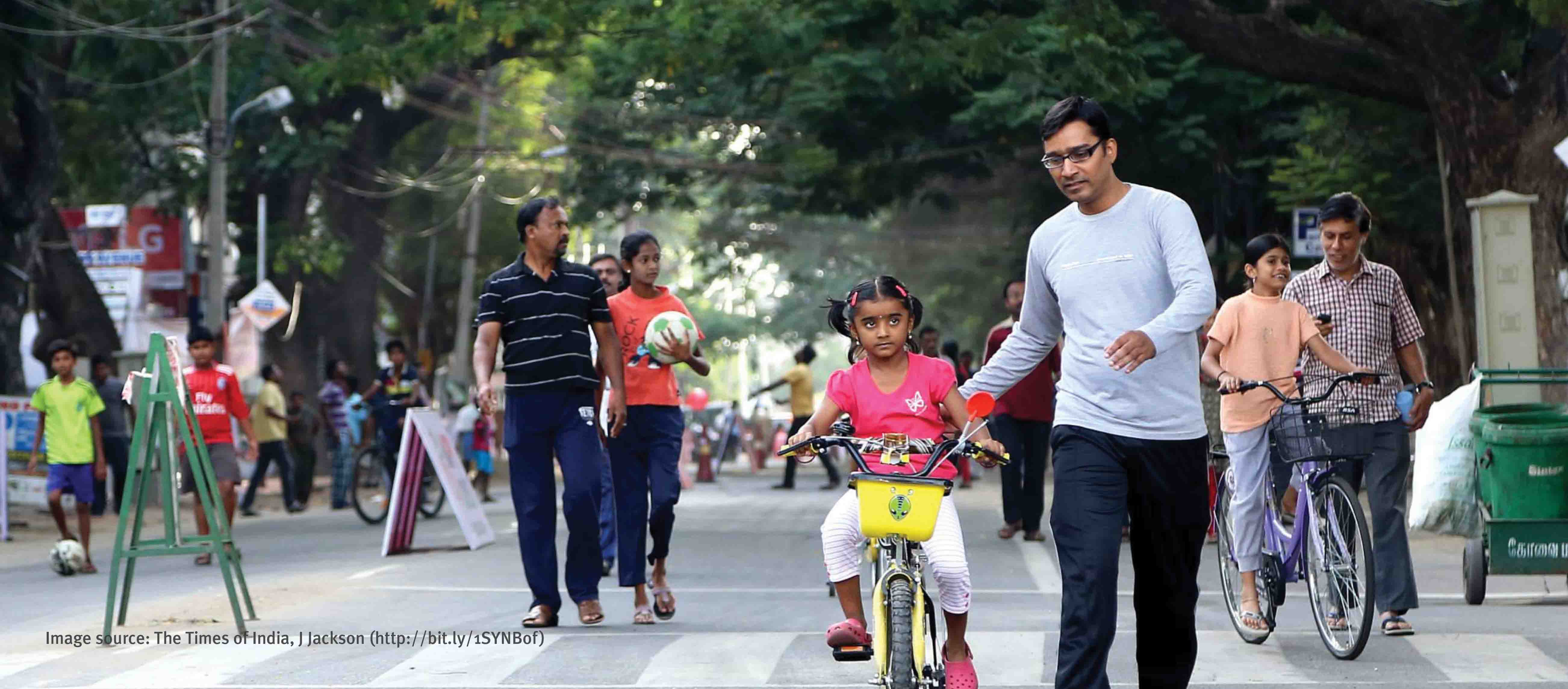
DB Road and NSR Road are two of busiest streets in Coimbatore, where one can often see pedestrians fighting for space with vehicles. But every Sunday morning, thanks to car-free days, such scenes are replaced with those of citizens walking, cycling and playing. Initiated in August 2015, car-free Sundays have not only provided a new form of public space for people to unwind, they have also  brought together various organisations working on improving Coimbatore and helped initiate dialogue on different issues in the city.

Residents Awareness Association of Coimbatore (RAAC) is one such citizen organisation. Along with Coimbatore City Municipal Corporation, Coimbatore City Police and ITDP, RAAC was a founding partner of Namma Kovai Namakke (‘Our Coimbatore for Ourselves’), a campaign to create people-friendly streets in Coimbatore. In conversation with ITDP, R Raveendran, from RAAC, speaks about what residents want for Coimbatore. Responses have been translated from Tamil and have been lightly edited for length and clarity.

Coimbatore has seen rapid growth in traffic over the past few years. What can the city do to address this concern?

The concept of traffic jams in Coimbatore was unheard of, even a few years ago. But of late, there are traffic jams that last an hour or more. In this context, project such as car-free Sundays and better streets for walking and cycling are timely interventions.

Giving importance to pedestrians is a novel idea in Coimbatore, and people support this idea. Before this, we didn’t know concepts like pedestrian movement and walkability. People ended up walking on busy streets, sharing space with vehicles. With car-free days, children can now play on the streets. Residents have realised the importance of walking as well.

Namma Kovai Namakke has been very well received in Coimbatore. Tell us more about what makes this campaign a success.

Streets become highly energetic on car-free Sundays, new friendships are being formed, and  the image of the city itself has been transformed. The cultural activities are a great hit, with many schools coming forward on their own to organise dance, drawing and other activities. Laughter clubs are popular with the older crowd. Walking and fitness activities are popular among all ages. For children who have forgotten or never experienced the idea of playing on the streets, car-free Sundays provide a place to kick a football and run around.

Within a short time, the city has expanded car-free Sundays from DB Road to NSR Road. How has the event been received in the second location? What makes this one different?

The event on NSR Road is also getting a lot of attention. With new activities like street magic, flash mobs and street music planned every week, people have something new to look forward to. Often, there are popular chief guests who come in. This also draws many people.

How have car-free Sundays helped in engaging people in the city-building process, in initiating a dialogue on different social issues in Coimbatore?

With car-free Sundays, residents now have a platform to talk about these issues. Many community  organisations meet during the car-free Sundays to discuss common problems. The message that people want better footpaths has come out strongly in the event. Even for other social issues like voter awareness or disability rights, the event has become a platform where different people can communicate with each other as well as with the government.

What kind of public space improvements do you look forward to in Coimbatore? What public transport improvements do residents want in the city?

Coimbatore has been selected for funding under the Smart City Mission, and we hope that better footpaths on all roads, with features like good lighting, will be a part of the project. Work to redevelop six roads with better footpaths has already been initiated by the municipal corporation, in collaboration with ITDP.

We look forward to redevelopment of the lakes and creation of cycling tracks. Cycling is becoming increasingly popular here and streets needs to be made safer for cyclists. Such projects are not too expensive and should be a part of the government budget and implemented quickly. To address traffic congestion, we hope that the city develops a mass transit system that will help reduce use of personal motor vehicles.

What other projects do you work on? How does Namma Kovai Namakke fit in with your overall vision for Coimbatore?

We work on many projects like source segregation of waste, increasing green cover, developing parks and improving roads. We conduct activities related to restoring forests and rivers, and improving the quality of life in the city. We want the city to develop in a positive way, and initiatives like Namma Kovai Namakke help the cause.

Car-free days are held every Sunday, from 6:30 a.m. to 9 a.m., on DB Road, TV Swamy Road, as well as NSR Road in Coimbatore. All are welcome. For more information, log on to https://www.facebook.com/NammaKovaiNamakke.

Filed Under: Featured News #4, news Tagged With: Coimbatore, Walking and Cycling

Related News

  • Coimbatore delegation visits Chennai: Understands best practices in street design

    March 7, 2016

  • Coimbatore’s car-free Sundays spark demand for better pedestrian facilities

    December 23, 2015

  • InFocus: Reclaiming streets for people

    April 17, 2015

More News >

Coimbatore delegation visits Chennai: Understands best practices in street design

7th March 2016 by admin

As Coimbatore looks at developing 13 km of streets as ‘Model Roads’ in the city featuring high quality pedestrian environment, a team comprising officials from the Coimbatore City Municipal Corporation along with empanelled architects visited Chennai for a detailed knowledge-sharing session with their peers from the Greater Chennai Corporation on 23 February.

The team, comprising of four engineers and ten architects from Coimbatore, visited various streets developed in Chennai as part of the ongoing Chennai Street Design project. ITDP facilitated the site visits and discussions with support from the Greater Chennai Corporation and local partner, Chennai City Connect Foundation.

IMG_5017

City officials from Chennai explained various site-specific details to the visiting engineers and architects.

Over the course of the day-long program, participants visited various streets in the city and noted key design features, such as continuous footpaths at property entrances, location of bus stops, and pedestrian crossings, all of which contribute to a safe walking environment. City engineers from Chennai showcased various construction details and stressed the need for contextual design solutions that accommodate existing utilities and landscape elements. Key implementation barriers like managing parking and street vending were also discussed.

These site visits were followed by a presentation by ITDP on best practices in street design. Mr. L. Nandakumar, Superintending Engineer (Roads, Works & Bridges), Greater Chennai Corporation, outlined the various processes adopted in Chennai to build public support for better streets. In addition, he also detailed out the construction and implementation challenges faced in Chennai and how these were resolved. Subsequent discussions saw active participation from the visiting delegation, who provided positive feedback on this program.

Learnings from these site visits and discussions will directly contribute to the street design processes underway in Coimbatore, where important streets like DB Road, TV Swamy Street, NSR Road, Sanganoor Road, Race Course Road and Masakalipalayam Road are to be redeveloped at an estimated cost Rs. 26 crore. 

B and A

DB Road in Coimbatore (left) is proposed to be redeveloped into a pedestrian-friendly street with wide, continuous footpaths (right).

Filed Under: news Tagged With: Chennai, Coimbatore, Walking and Cycling

Related News

  • Citizens want safer streets and greener spaces for a better Coimbatore

    April 20, 2016

  • Coimbatore’s car-free Sundays spark demand for better pedestrian facilities

    December 23, 2015

  • Chennai adopts NMT Policy: A quantum leap towards safer streets

    October 21, 2014

More News >

Pune, Coimbatore and Chennai Selected as India’s ‘Smart Cities’

16th February 2016 by admin

Pune, Coimbatore and Chennai have been making huge progress creating sustainable cities. Each has made great strides in recent years, laying the groundwork for even bigger changes to come. Thanks to their demonstrated commitment to act, in addition to well-developed plans for next steps, all three have been selected for the first round of India’s national Smart Cities Mission.

Right now, experts predict that about 25-30 people are migrating every minute to major Indian cities from rural areas in search of better livelihood and better lifestyles. It is estimated that by 2050, Indian cities will house nearly 843 million people. This massive increase in population will put incredible pressure on India’s cities, requiring new infrastructure for transportation, energy, and safety. To address these imminent issues, the Government of India has allocated Rs 48,000 crore to create the Smart Cities Mission, a programme dedicated to helping cities invest in sustainable infrastructure and growth.

As part of the Smart Cities Mission, these three selected cities (see the full list here) have each proposed to invest over 600 Crore rupees in sustainable transport projects. By pegging this money to tangible, area-based improvements, these cities have a clear plan to transform over the next 5 years, bringing widespread socio-economic benefits to a large section of society. ITDP is proud to have partnered with Pune, Coimbatore, and Chennai to chart out their sustainable paths for the future.

ITDP has been working with these cities in different roles, providing technical support to projects, capacity building for officials, and  creating community engagement at various levels. In the twin cities of Pune and Pimpri-Chinchwad, ITDP helped implement the Rainbow BRT, incorporating best practices in BRT planning and design. ITDP has been instrumental in helping Chennai adopt a Non-Motorized Transport Policy and overseeing its implementation through street design and engaging with citizens through initiatives like car-free Sundays. In Coimbatore, the Namma Kovai Namakke (Our Coimbatore Ourselves) campaign, initiated by ITDP, sparked citizen demand for better pedestrian facilities, all of which formed the groundwork for the Smart City proposals developed by these cities.

In the next 5 years, Pune aims to increase the mode share of public transport from 18 percent to 50 percent by augmenting its bus fleet and improving bus services using Intelligent Traffic Management Systems (ITMS). The city also aims to expand its high quality BRT network by 30 km and improve access to transit by creating 75 km network of footpaths and cycle tracks.

To facilitate easy interchange between Rainbow BRT and other buses, a transit hub is proposed at Anudh Baner Balewadi, Pune, along the lines of the Kiwale terminal pictured above.

In keeping with its NMT policy, Chennai aims to develop ‘Complete Streets’ and build footpaths to cover 80% of its major roads. A city-wide cycle sharing system with 3000 cycles and an IT-based parking management system are also expected to give a major thrust to walking and cycling while restricting private vehicle use.

Better NMT facilities are proposed in T. Nagar, a commercial and retail hub of Chennai.

Non-motorised transport is a key focus for Coimbatore as well, where the city aims to create NMT infrastructure along 75 percent of its primary and secondary road networks before 2020. A 30 km network of greenways connecting major lakes in the city is expected to improve quality of open space for its residents. The city also aims to increase mode share of public transport from 42 percent to 60 percent by modernising and expanding public bus services.

Congratulations to these cities, and all the selected Smart Cities, for the exciting work preparing India’s cities for a more sustainable, brighter future.

Filed Under: news Tagged With: Chennai, Coimbatore, Pune-Pimpri Chinchwad, Sustainable Transport Policy

Related News

  • Chennai adopts NMT Policy: A quantum leap towards safer streets

    October 21, 2014

  • Pune’s progressive parking policy shows the way forward for Indian cities

    April 26, 2016

  • InFocus: Building ‘smart,’ customer-oriented transit

    August 25, 2015

More News >

Coimbatore’s car-free Sundays spark demand for better pedestrian facilities

23rd December 2015 by admin

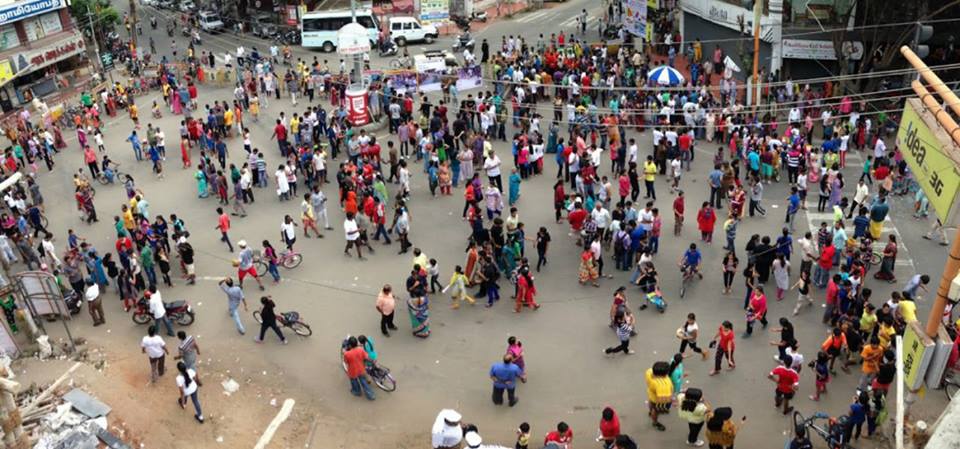
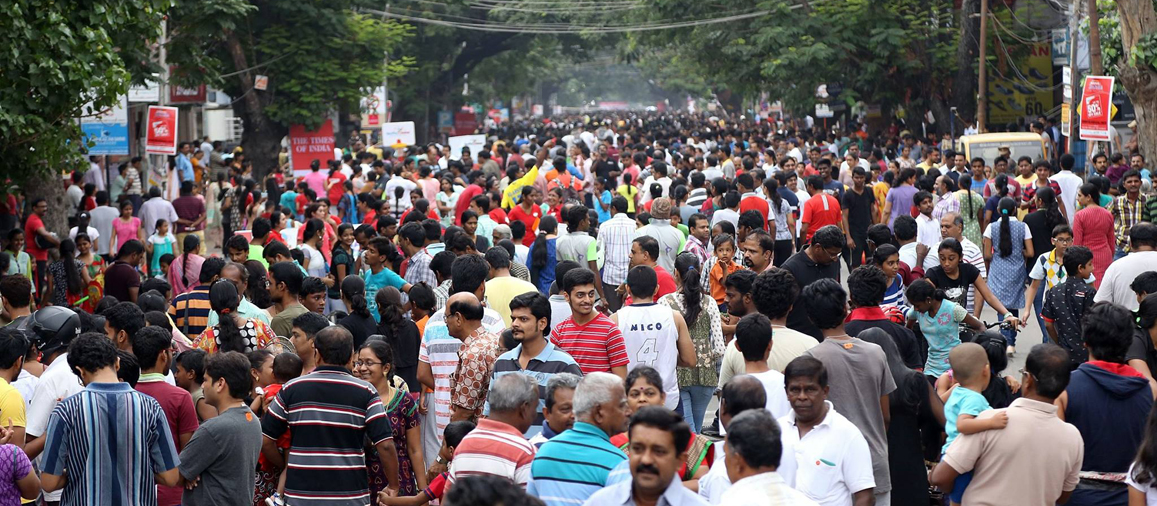
Over the last four months, as more than one lakh citizens have stepped into the streets on car-free Sundays transforming the city’s thoroughfares into vibrant public spaces, Coimbatore residents have started strongly calling for better pedestrian facilities in the city. The dramatic success of Coimbatore’s car-free Sundays has proved that there is demand for pedestrian infrastructure, and has encouraged civic authorities to begin implementing more permanent changes on ground. As a first step, the Coimbatore City Municipal Corporation (CCMC) has begun—redesigning and construction of city’s main roads with wider footpaths. In addition, the city plans to expand the car-free event to other areas such as Race Course Road.

Coimbatore’s car-free Sunday has been a huge success, and is bringing the city national attention. The comprehensive effort by CCMC was recently honored with the Best Project Award, Non-Motorised Transport (NMT) category, by India’s National Ministry of Urban Development. The national award was received by CCMC Commissioner K Vijayakarthikeyan at the Eighth Urban Mobility India Conference and Expo, 2015 held at New Delhi. Of the 40 cities that sent in entries, Coimbatore emerged the winner, recognizing both the success of the program and it’s potential to be replicated in cities across India

For decades, transport planning in India has focused on improving conditions for private vehicles at the expense of safe footpaths and cycling facilities. However, in most Indian cities at least a third of all daily trips are made by foot or cycle. In Coimbatore, rapid urbanisation is placing increasingly high pressure on the existing infrastructure. Until recently, the response to these pressures has been to widen roads and propose more flyovers, while the welfare of pedestrians and cyclists was often overlooked.

Fortunately, the success of car-free Sunday is transforming this paradigm. By creating a new platform for citizens to assert their right over the city’s public spaces, the program is sparking interest in better footpaths and safer streets. The initiative, which brought together other partners including Coimbatore City Police, Institute for Transportation and Development Policy, the Residents Awareness Association of Coimbatore (RAAC) and the Times of India, helped generate the political backing for a comprehensive programme of pedestrian improvements.

Recently, the Coimbatore Council approved redesigning 13 km of streets in the city with wide and continuous footpaths. Gathering architects for the design of these streets is already in progress, and ITDP India will continue to play a role in the process. The Corporation is also creating a network of greenways along the city’s water bodies. Work is in progress on walkways along Perur Lake, while the edges of Ukkadam-Valan Kulam lake are being cleaned and beautified. Besides the construction of new footpaths, the Corporation has also set a goal of building raised pedestrian crossings outside 80 schools and redesigning two intersections for improved safety by August 2016.

(Left) Existing and (Right) Proposed pedestrian facilities on DB Road, Coimbatore

Car-free Sundays in Coimbatore reclaim only 2km of streets from traffic. However, even this modest beginning has made citizens realise the joy of walking on their streets and empowering them to voice their demand for better pedestrian facilities. With national leaders taking notice and local leaders taking action, Coimbatore’s non motorised future now looks promising. The vision of reclaiming the city for its people—Namma Kovai Namakke—is becoming a reality.

Filed Under: news Tagged With: Coimbatore, Sustainable Transport Policy, Walking and Cycling

Related News

  • Citizens want safer streets and greener spaces for a better Coimbatore

    April 20, 2016

  • Pune, Coimbatore and Chennai Selected as India’s ‘Smart Cities’

    February 16, 2016

  • InFocus: Reclaiming streets for people

    April 17, 2015

More News >

Car-free days transform Coimbatore — congested streets become parks for people

28th August 2015 by admin


Coimbatore spoke loud and clear! The people reclaimed their streets from automobiles, in the process reclaiming their quality of life. Sunday, 9 August 2015, saw over four thousand residents out bright and early for Coimbatore’s first car-free Sunday. People put DB Road and TV Swamy Road to good use, whether they were walking, cycling, playing badminton, jumping around on trampolines, or dribbling soccer balls. What stood out was the laughter and the palpable joy.

The Coimbatore City Municipal Corporation (CCMC) and Coimbatore City Police launched the car-free Sundays along with founding partners ITDP,  the Residents Awareness Association of Coimbatore (RAAC), and presenting partner The Times of India. The events are part of Namma Kovai Namakke (Our Coimbatore for Ourselves), a campaign to create people friendly streets across Coimbatore.

“I didn’t realise how wide our roads are,” said Archana Patnaik, District Collector for Coimbatore, as she walked and cycled along the streets. Patnaik and other city officials met with residents and participated wholeheartedly in the activities.

 NKN - 150821 (3)

Citizens walk and cycle along car-free streets (left) while Coimbatore Municipal Commissioner, Dr. K. Vijayakarthikeyan, enjoys a game of cricket (right).

With a turnout of over 15,000 the next weekend and 19,000 in the third week, more and more of Coimbatore’s residents have begun participating, enjoying their Sundays like never before. The unprecedented public support for car-free Sundays has enthused CCMC and the Traffic Police, who are planning to expand the initiative to include other streets like Race Course Road.

The run-up to the launch of the car-free Sundays saw the residents and city officials come together to discuss how to to transform Coimbatore into a smart, vibrant city, one that offers safe, accessible, and comfortable public spaces to all. “I want Coimbatore to be the smartest city—not just a smart city—in  India,” remarked Dr. K. Vijayakarthikeyan, Commissioner, Coimbatore City Municipal Corporation, at a stakeholder meeting.

NKN - 150821 (4)

Municipal officials, traffic police, RAAC, Indian Chamber of Commerce and Industry – Coimbatore chapter, prominent citizens and the media participated in the stakeholder meeting to envision a Smart Coimbatore.

Car-free days are but the first step towards making Coimbatore a liveable city with safe and equitable public spaces.  Following the success of car-free Sundays, Coimbatore plans to upgrade footpaths along key streets in each of its five zones, including DB Road and TV Swamy Road. As one participant rightly said, reclaiming space for people makes it “not (only) a happy street, but a happy city.”

Car-free days are held every Sunday, from 6:30 a.m. to 10 a.m., on DB Road and TV Swamy Road, Coimbatore. More streets will join the party soon! All are welcome. For more information, log on to https://www.facebook.com/NammaKovaiNamakke.

Filed Under: news Tagged With: Coimbatore, Walking and Cycling

Related News

  • Coimbatore delegation visits Chennai: Understands best practices in street design

    March 7, 2016

  • Pune, Coimbatore and Chennai Selected as India’s ‘Smart Cities’

    February 16, 2016

  • Coimbatore’s car-free Sundays spark demand for better pedestrian facilities

    December 23, 2015

More News >
  • « Previous Page
  • 1
  • 2
  • Who We Are
    • Our Team
    • Contact Us
    • Opportunities
    • Our Approach
  • What We Do
    • Complete Streets and Parking Management
    • Public Transport
    • Transit Oriented Development
    • Inclusive Mobility
  • Where We Work
    • Agra
    • Ahmedabad
    • MAHARASHTRA
    • Pune – Pimpri-Chinchwad
    • Nashik
    • TAMIL NADU
    • Chennai
    • Coimbatore
    • JHARKHAND
    • Ranchi
    • NATIONAL
  • News
  • Resources
  • Get Involved
    • Donate

Copyright © 2026 · ITDP Responsive on Genesis Framework · WordPress · Log in


Loading Comments...