ITDP India

Promoting sustainable and equitable transportation worldwide

  • Contact
  • ITDP India’s 2025
  • Who We Are
    • Our Approach
    • Contact Us
    • Career Opportunities
  • What We Do
    • Healthy Streets
    • Public Transport
    • Electric Mobility
    • Transit Oriented Development
    • Low Emission Zones
    • Inclusive Mobility
    • Traffic Reduction
  • Where We Work
    • NATIONAL
    • MAHARASHTRA
      • Pune
      • Pimpri Chinchwad
      • Nashik
    • TAMIL NADU
      • Chennai
      • Coimbatore
    • JHARKHAND
      • Ranchi
    • Agra
    • Ahmedabad
  • Blogs
  • Resources
    • Press
  • National Challenges
    • India Cycles4Change Challenge
    • Streets for People Challenge
    • Transport4All Challenge
  • Urbanlogue
    • Urbanlogue Webinars – Series One
    • Urbanlogue Webinars – Series Two
    • Urbanlogue Webinars – Series Three
    • Urbanlogue Webinars – Series Four

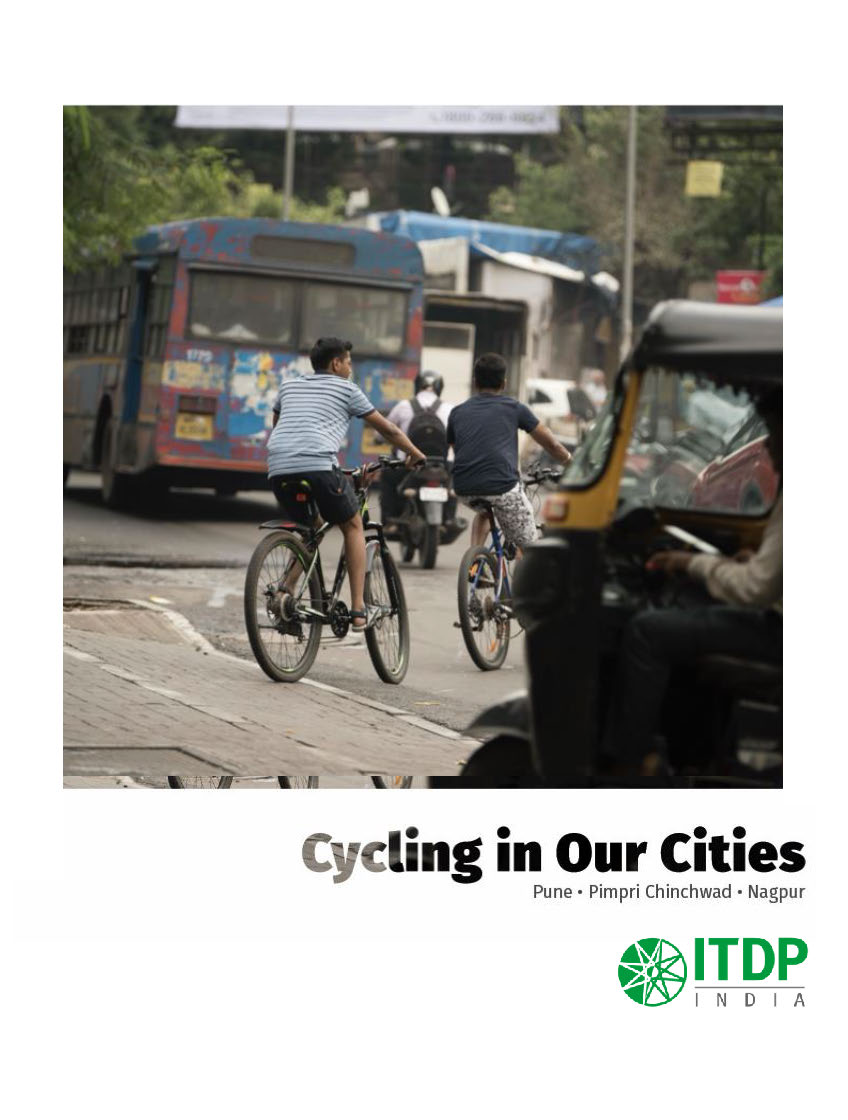
Cycling In Our Cities

29th January 2026 by

Cycling in Our Cities is a multi-city study by ITDP India that examines how citizens perceive and experience cycling infrastructure in Indian cities. Conducted across Pune, Pimpri Chinchwad, and Nagpur, the study aims to inform future cycling infrastructure planning by understanding what works—and what doesn’t—for everyday cyclists.

What Was Surveyed
The study surveyed 605 cyclists and non-cyclists and assessed over 152 km of cycling infrastructure across the three cities. It evaluated four common infrastructure types: footpath-level cycle tracks, at-grade segregated cycle tracks, painted cycle lanes on carriageways, and shared streets with traffic calming measures.

Key Takeaways
Obstructions emerged as the biggest deterrent to cycling, cited by 56% of cyclists, with parked vehicles, vendor encroachments, and motor vehicle movement being the most common issues. Shared streets with traffic calming were consistently rated as the safest and most comfortable environments, while segregated cycle tracks performed poorly due to encroachments, poor surfaces, and broken continuity. The findings highlight that effective cycling infrastructure requires not just good design, but also strong enforcement and maintenance.

Find the full publication here.

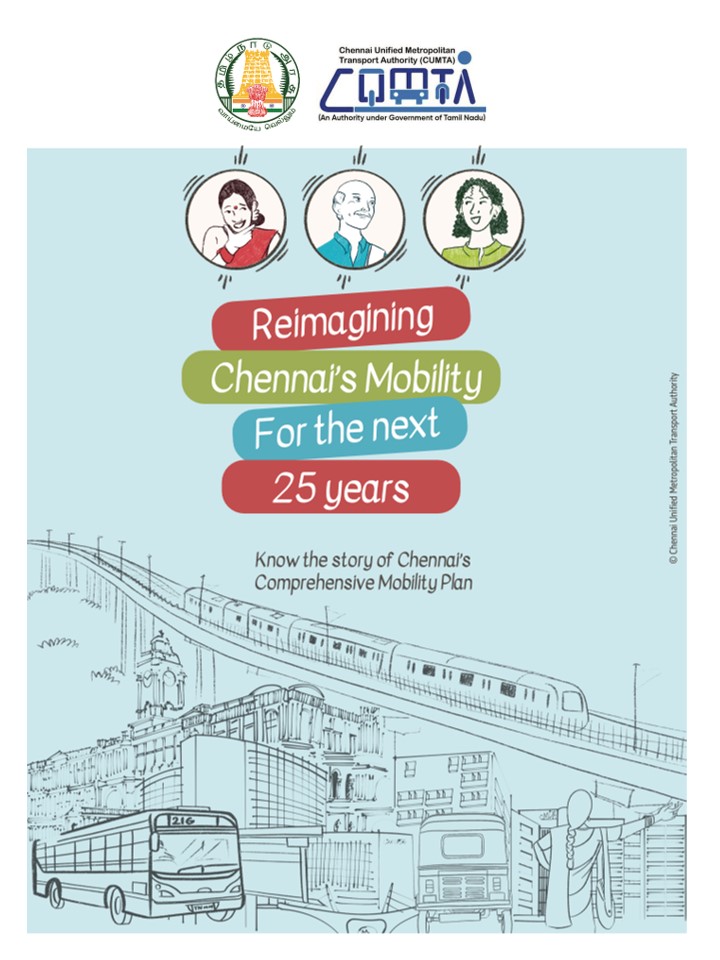
Reimagining Chennai’s Mobility For the next 25 years

28th January 2026 by

A visual comic that breaks down Chennai’s Comprehensive Mobility Plan, tracing how the city’s transport vision will shape movement, streets, and everyday journeys over the next 25 years.

This resource is available to read in both English and Tamil—click to explore.

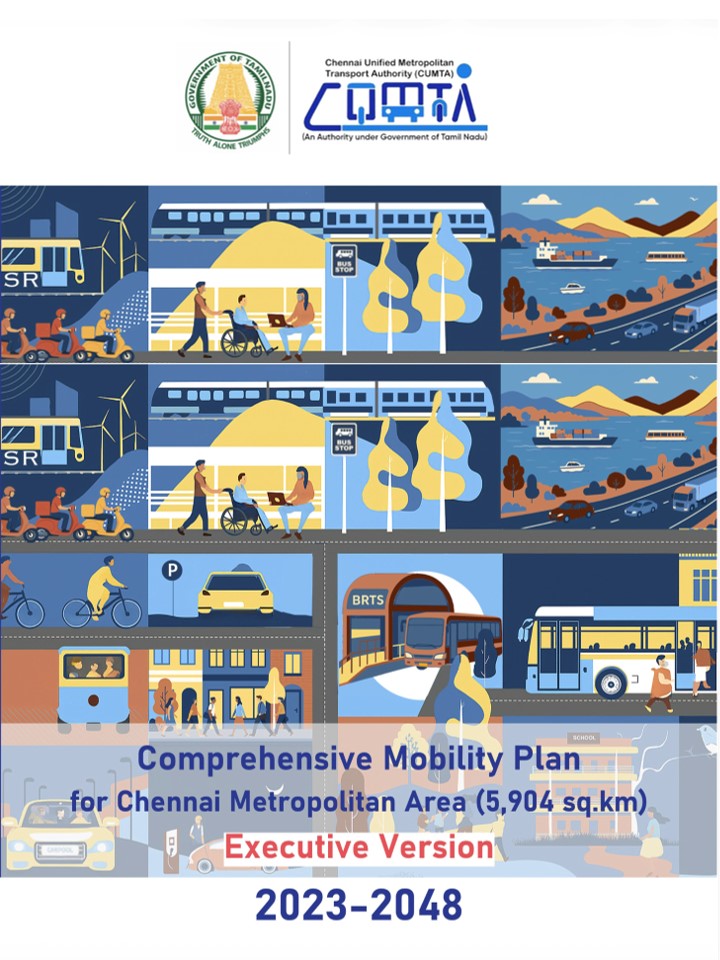
Comprehensive Mobility Plan for Chennai Metropolitan Area

28th January 2026 by

This study report serves as the executive summary of the Comprehensive Mobility Plan (CMP) for the Chennai Metropolitan Area. The CMP is a long-term strategic vision that integrates land use and urban transport planning to guide mobility in the CMA over the next 25 years.

Read the full publication here.

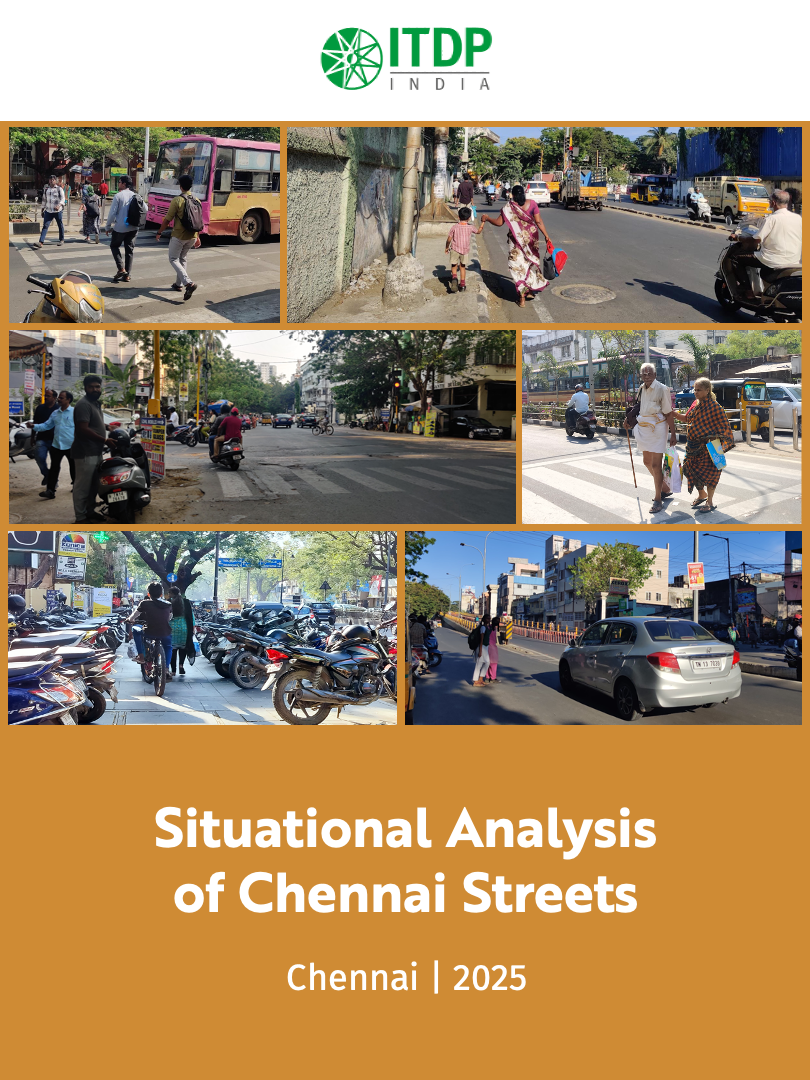
Situational Analysis of Chennai Streets

18th November 2025 by

This study report assesses the current situation of pedestrian infrastructure in Chennai. Taking the case of 14 streets in different parts of the city, the report seeks to create awareness and a dialogue surrounding successes and gaps in the infrastructure, prompting the identification of future areas of intervention.

Read the full publication here.

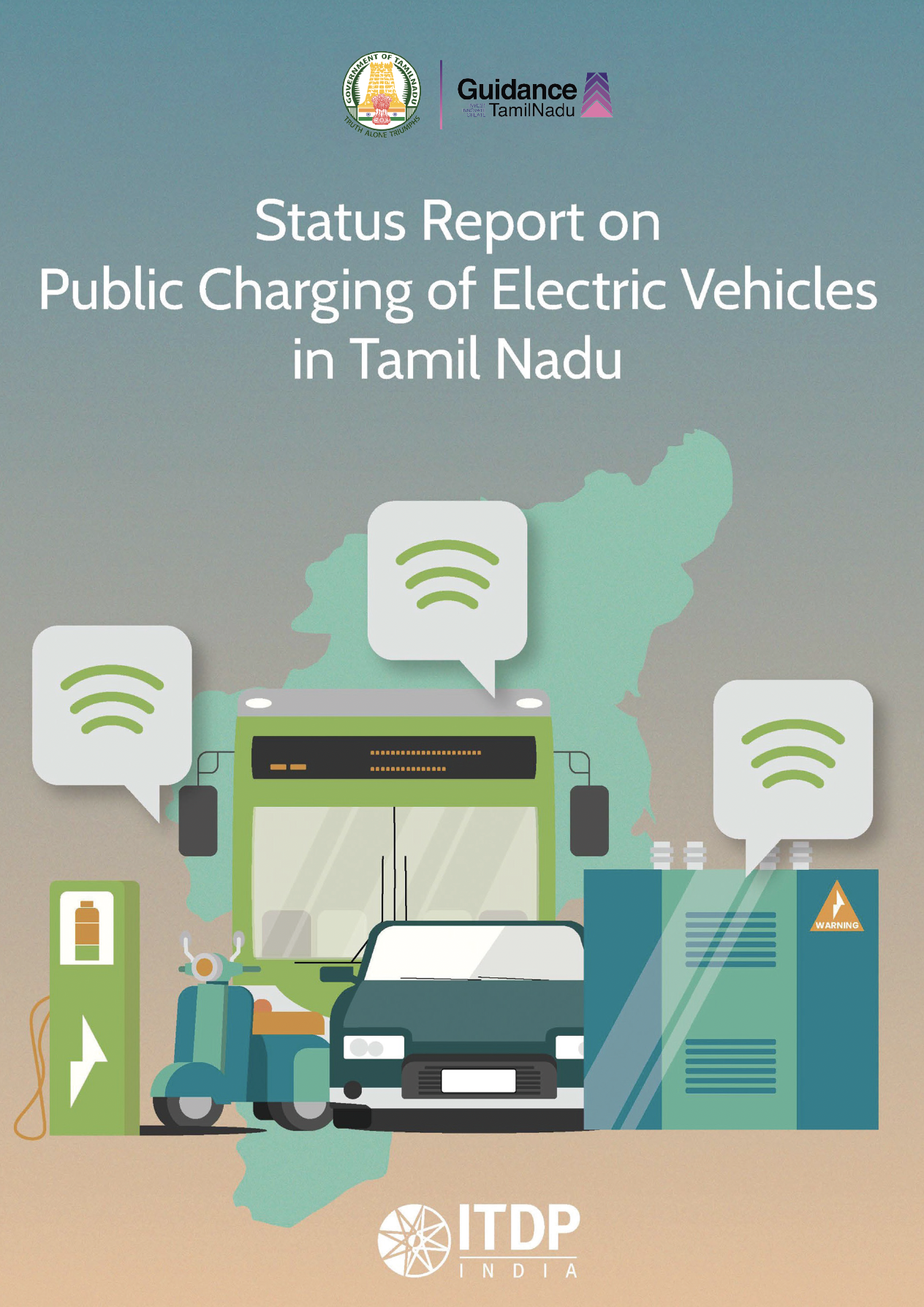
Status Report on Public Charging of Electric Vehicles in Tamil Nadu

11th September 2025 by

The report, jointly prepared by Guidance Tamil Nadu and ITDP India, provides a comprehensive assessment of the current status of public electric vehicle (EV) charging infrastructure in Tamil Nadu. It examines existing policy frameworks, market dynamics, and stakeholder perspectives to identify key challenges hindering growth. The analysis underscores the urgent need to scale up charging infrastructure to match the state’s EV adoption goals. Drawing on best practices from other states, the report outlines actionable recommendations to strengthen planning, investment, and implementation mechanisms.

Click here to download the full report.


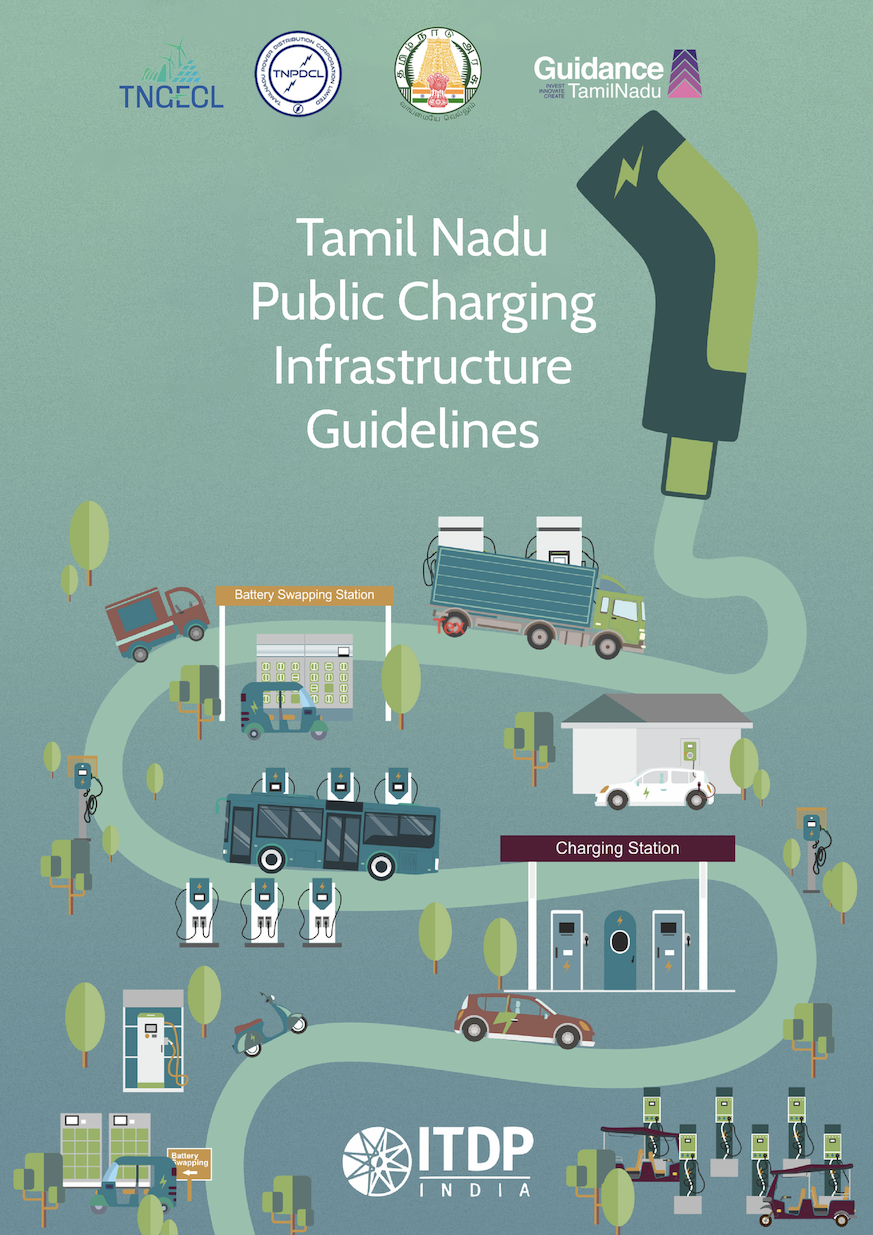
Tamil Nadu Public Charging Infrastructure Guidelines

11th September 2025 by

The Tamil Nadu Public Charging Infrastructure Guidelines marks India’s first comprehensive state-specific framework to guide the setting up of public electric vehicle (EV) charging infrastructure. The document has been jointly developed by the Government of Tamil Nadu’s Industries Department, Guidance Tamil Nadu, Tamil Nadu Green Energy Corporation Ltd (TNGECL), Tamil Nadu Power Distribution Corporation Ltd (TNPDCL), with technical support from ITDP India.

The guidelines provide a structured reference for future EV infrastructure planning and implementation across both urban and regional areas. One can find the following topics covered in the guidelines-

  1. Spatial site identification
  2. Regulatory norms and standard
  3. EV charging infrastructure demand assessment
  4. Public-private collaboration opportunities
  5. The technical and safety standards.

This resource is intended to support policymakers, urban planners, and operators by offering clear guidance on the planning, deployment, and management of EV public charging infrastructure in Tamil Nadu.

Click to download the full report: Tamil Nadu Public Charging Infrastructure Guidelines

The 30-page pocket version of the Guidelines can be accessed in English here.

For the Tamil Pocket Guidelines, click here.

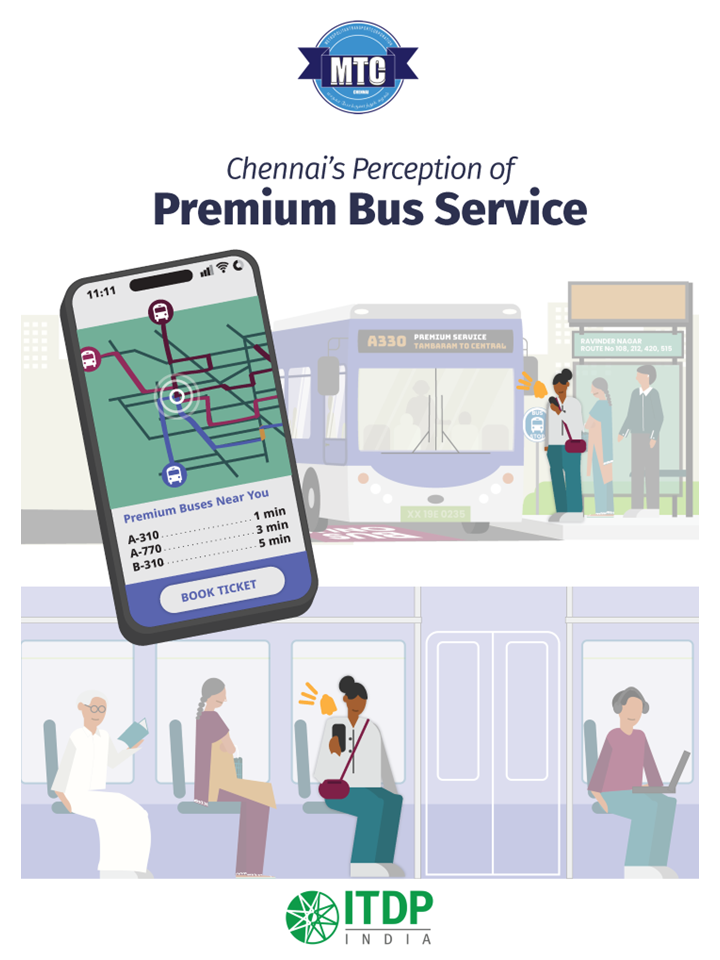
Chennai’s Perception of Premium Bus Service

9th May 2025 by Leave a Comment

State Transport Undertakings (STUs) across India face declining ridership due to overcrowding, limited amenities, and competition from private vehicles and ride-hailing services. To address this, ITDP India conducted a survey on Premium Bus Services in Chennai, aiming to understand commuter preferences for comfort, reliability, and convenience.
The survey focused on private vehicle users—car and two-wheeler owners—to identify factors that could encourage a shift back to public transport.
The findings were compiled in the report Chennai’s Perspective of Premium Bus Service.

Download the full analysis here: Chennai’s Perception of Premium Bus Service

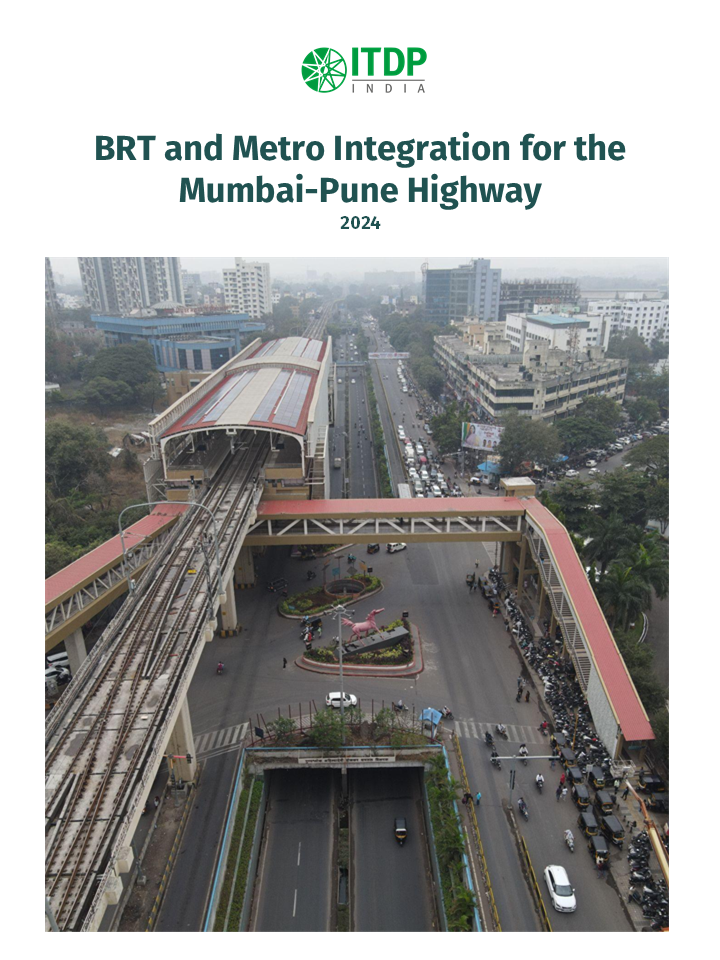
BRT and Metro Integration for the Mumbai-Pune Highway

1st April 2025 by Leave a Comment

ITDP India conducted an analysis on how the Nigdi-Dapodi BRTS corridor and Pune Metro services, currently serve the city of Pune. Both these lines run parallel to each other and are complementing each other to ensure maximizing of the overall public transport usage. Key highlights of the study:

  1. The Nigdi-Dapodi BRTS corridor serves 1.5 lakh passengers daily, with 37 buses per hour during peak times,
  2. One bus every 1.6 minutes
  3. About 47% of users were students (18-25 years)
  4. Frequent users had a household income below ₹20,000/month

Download the full analysis here: BRT and Metro Integration for the Mumbai-Pune Highway


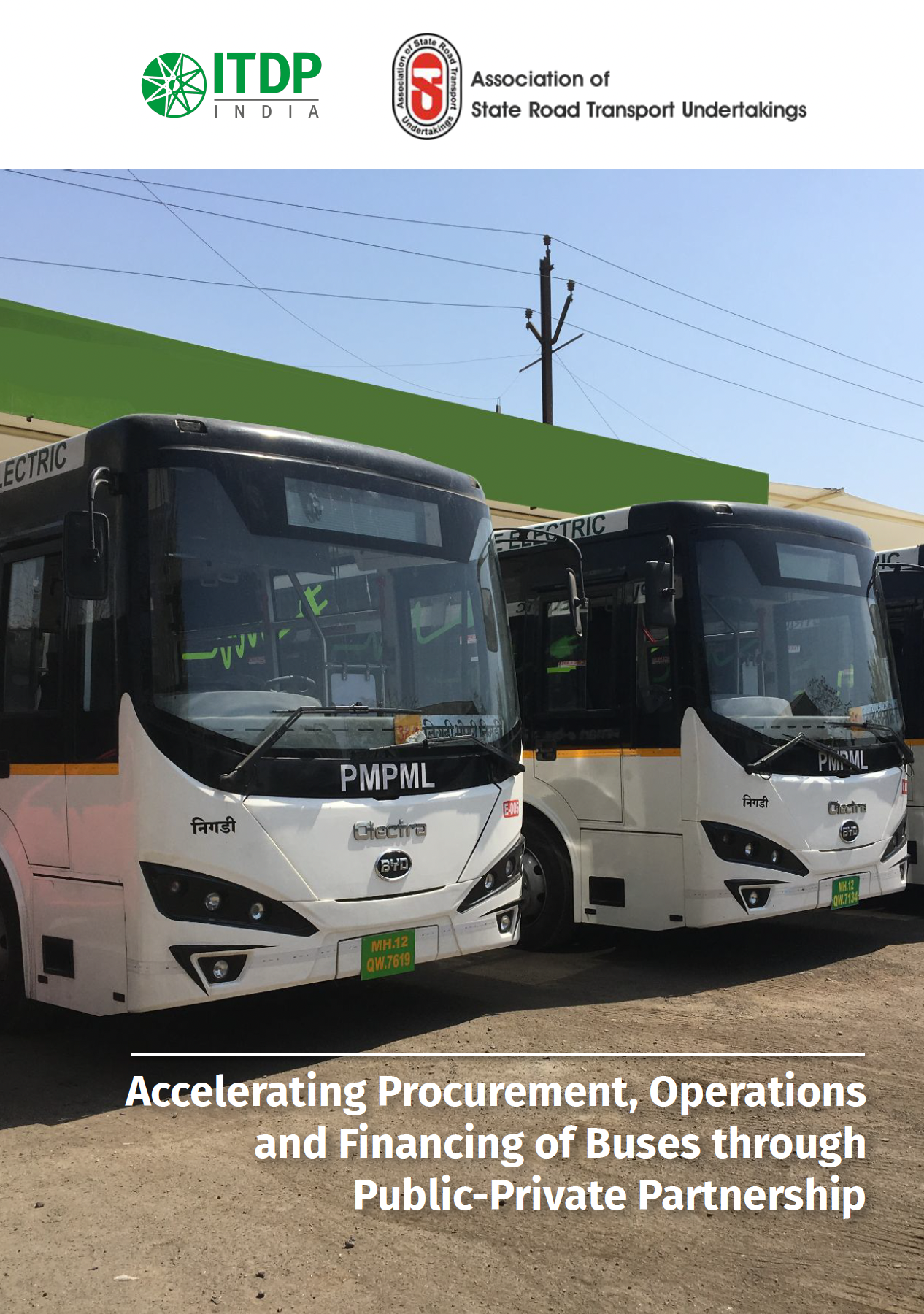
Accelerating Procurement, Operations and Financing of Buses through Public-Private Partnership

27th September 2023 by

‘Accelerating Procurement, Operations, and Financing of Buses through Public Private Partnerships’ resulted from our collaborative workshop with the Association of State Road Transport Undertakings (ASRTU) in New Delhi in April 2023. 🇮🇳

This report delves into how Public-Private Partnerships (PPP) can be the driving force behind transforming State Transport Undertakings (STUs) and lead to
🌟 Improved service quality
🌟 Enhanced financial viability
🌟 Increased operational efficiency
while expanding our bus fleets and transforming the entire transport system.


Read the report here.

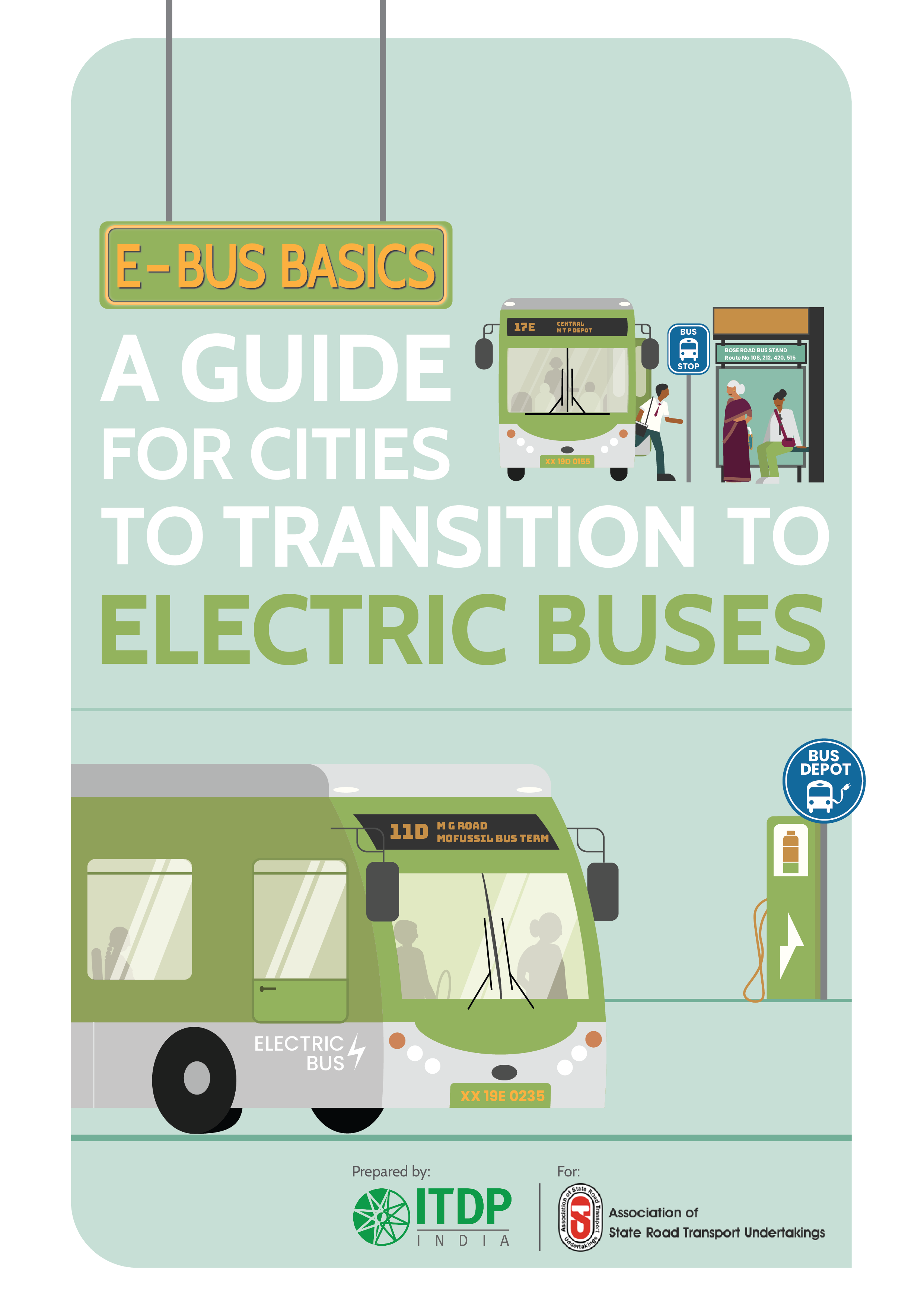
E-Bus Basics: A Guide for a Transition to Electric Buses

10th April 2023 by

Launched at the national workshop for State Transport Authorities on ”Accelerating Procurement and Operations of Buses through Public Private Partnership” hosted jointly by Association of State Road Transport Undertakings(ASRTU) and ITDP India. 

This illustrated guidebook provides all information required to plan for, procure, and operate e-buses to accelerate the transition to e-buses in India. Not only does electrification contribute to reducing pollution on our streets, but it also offers a lower cost per kilometre, better fuel/energy efficiency, and improved quality of service. 


Download the document 

  • 1
  • 2
  • 3
  • …
  • 7
  • Next Page »
  • Who We Are
    • Our Team
    • Contact Us
    • Opportunities
    • Our Approach
  • What We Do
    • Complete Streets and Parking Management
    • Public Transport
    • Transit Oriented Development
    • Inclusive Mobility
  • Where We Work
    • Agra
    • Ahmedabad
    • MAHARASHTRA
    • Pune – Pimpri-Chinchwad
    • Nashik
    • TAMIL NADU
    • Chennai
    • Coimbatore
    • JHARKHAND
    • Ranchi
    • NATIONAL
  • News
  • Resources
  • Get Involved
    • Donate

Copyright © 2026 · ITDP Responsive on Genesis Framework · WordPress · Log in


Loading Comments...